Metal Detectors Buying Guides
This post is aimed at individuals who are new to the hobby and want to start buying metal detectors for sale but don’t know what features to look for or what all of the options represent. The more experienced metal detectorist will almost certainly choose a model and will be familiar with the words and jargon listed below.
Please answer the following two questions to determine which detector is best for you:
1) What different kind of targets will I be looking for?
Will you be looking for gold, coins, artifacts, or jewelry when you go metal detecting? What will you be looking for (seashores, parks, fields, or underwater)? These subquestions will make answering the first query above easier in the end.
2) How much money am I willing to spend?
Metal detecting is a sport that both provides exercise and the potential to earn money.
However, if you’re new to the hobby, you don’t want to spend a lot of money on a detector that you won’t use.
I recommend that beginning detector hobbyists stick with detectors under $250. Other costs, such as accessories, must also be considered when making a decision.
After you’ve answered the following questions, you may begin comparing the metal detector manufacturer.
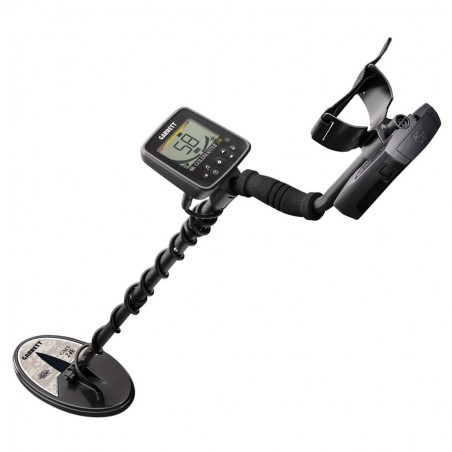
Metal Detectors are classified into the following categories:
1) TR (Transmitter/Receiver) is the first metal detection technique based on the Induction Balance (IB) principle. This type of technique is no longer used in modern detectors.
2) Beat Frequency Oscillation (BFO) is an older technology that is nonetheless relatively inexpensive to produce. These types of detectors had a limited ability to distinguish between different metals. It’s usually found in lower-cost detectors and isn’t used by most enthusiasts.
3) The most common detectors are VLF (Very Low Frequency) detectors, which are excellent at differentiating between different types of metals. The phase shift inside the returning signal from the metallic object is analyzed using VLF detectors to detect metal.
4) Pulse Induction (PI) detectors send out a pulse of radio frequency energy and wait for a response (similar to radar). Because they are unable to distinguish between different types of metals, these detectors are usually used in highly mineralized soils such as seashores or salt water. The ability of PI metal detectors to identify very deep metal targets is one of their advantages.
Detectors have the following features:
1) The Detection Alert feature might be quite useful. In cheaper VLF variants, the detector emits a constant auditory tone that changes when the detector detects a metal target. Because a person must distinguish between the numerous tones, it may be difficult to discern if a goal has been identified using this detection notice. When the detector finds a metal target, the opposite form of detection alert is an audible beep. This is very useful for newcomers to the sport because you’ll hear a different audio tone for different targets and only when a target is spotted.
2) Target ID: Some detectors can not only determine when they’ve found a metal target, but they can also tell what kind of metal target they’ve found (iron, penny, nickel, dime, quarter, silver, gold, pull tab, and so forth). Metal detectorists may find Target ID useful because it allows them to determine what type of metal the target is before digging it up. However, some Target IDs are incorrect, and we recommend that when you first start metal detecting, you dig each sign to get a feel for your new detector.
3) The Sensitivity function allows the metal detectorist to change the gain of the detector to increase or decrease its metal sensitivity. This is useful if you’re looking for a particularly deep metal goal (turn up sensitivity).
4) Discrimination is a useful feature that helps a metal detectorist to distinguish between different types of signs when searching. If the hobbyist isn’t serious about iron, for example, they may program their discrimination to ignore all cues that iron targets reveal.
In this post, the basic detector options were discussed. Other features vary between manufacturer brands, and each function should be considered before determining which detector to purchase.